Tummy Time: How Much Does Your Baby Really Need?
What Is Tummy Time?
The American Academy of Pediatrics recommends placing babies on their backs to sleep to help reduce the risk of Sudden Infant Death Syndrome (SIDS). Because babies spend a lot of time on their backs, they may develop flat spots on the head (plagiocephaly) or tight neck muscles (torticollis).
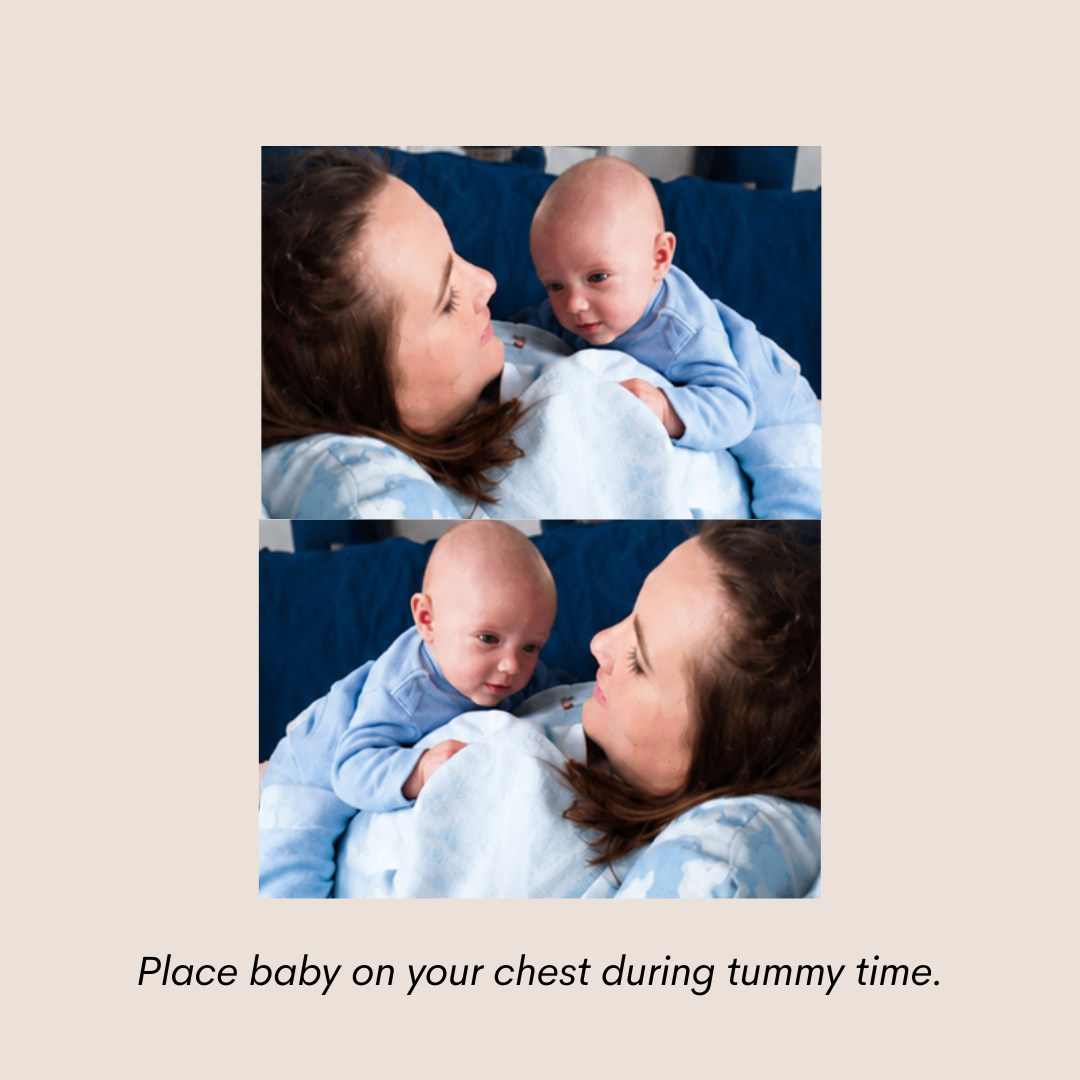
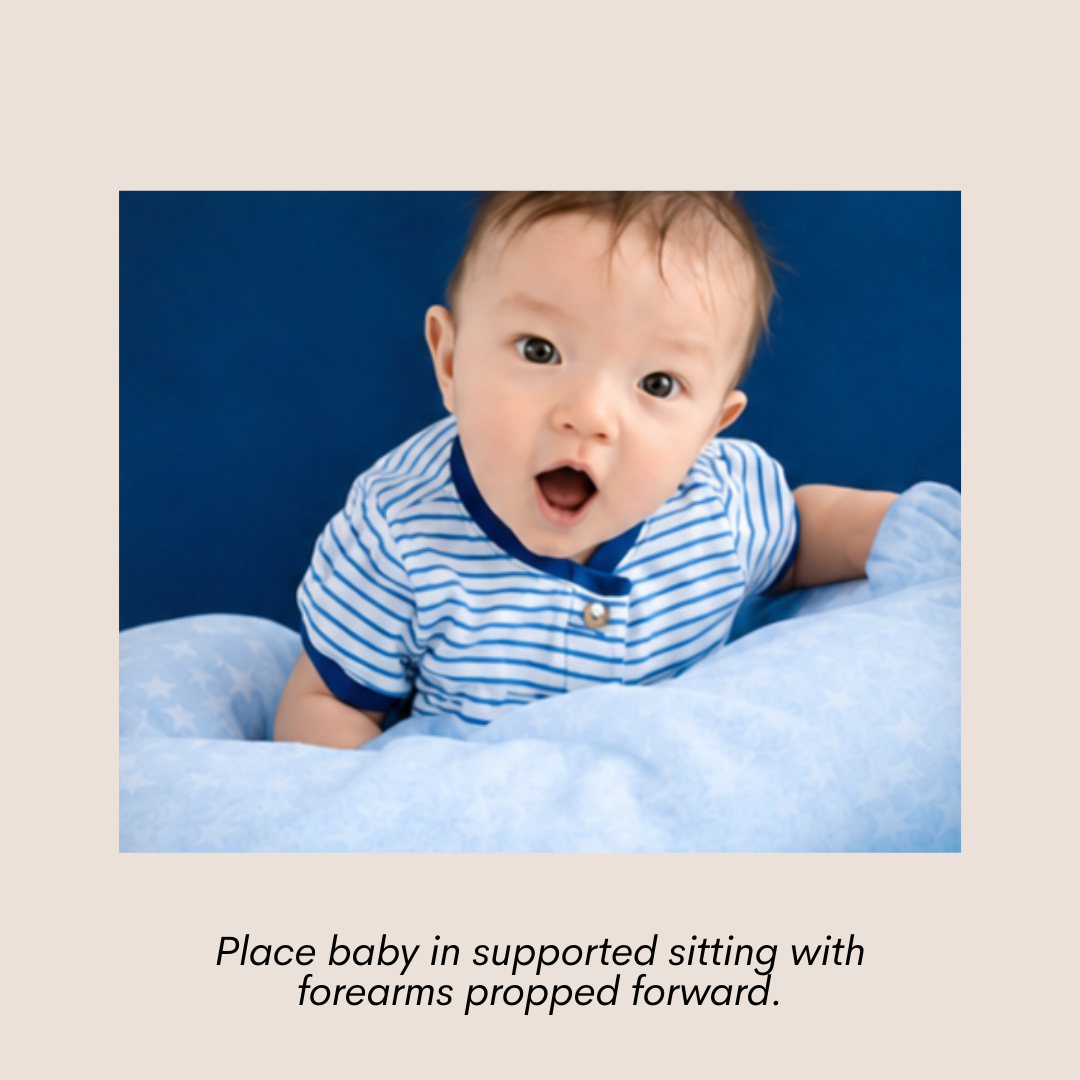
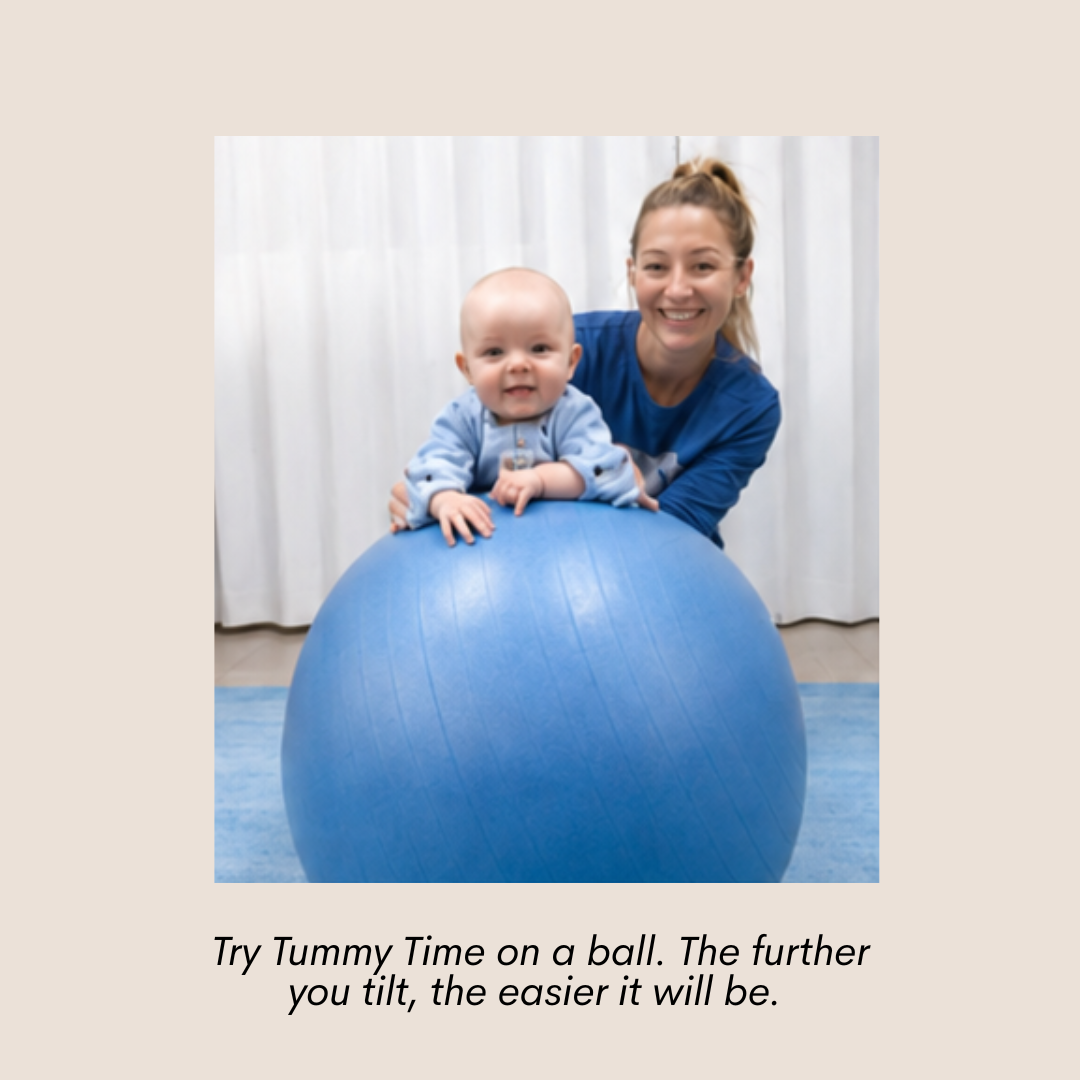
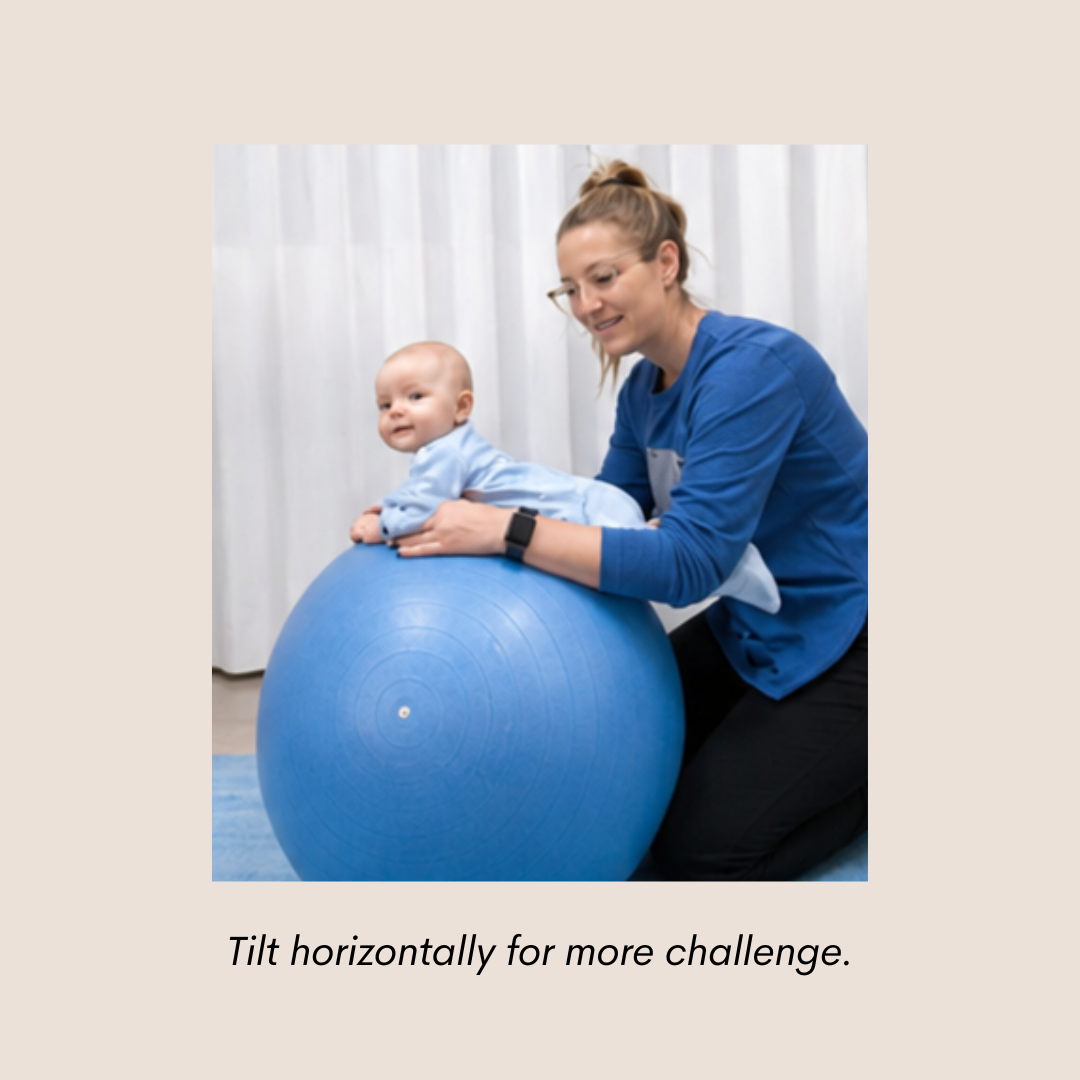
Tummy time is supervised time spent on your baby's tummy while awake. It helps strengthen the neck, shoulders, back, and core muscles needed for rolling, sitting, crawling, and other developmental milestones.
The American Academy of Pediatrics recommends placing babies on their backs to sleep to help reduce the risk of Sudden Infant Death Syndrome (SIDS). Because babies spend a lot of time on their backs, they may develop flat spots on the head (plagiocephaly) or tight neck muscles (torticollis).
Importance of Tummy Time
Helps prevent flat spots and tight neck muscles
Strengthens neck, back, and shoulder muscles
Supports motor skills like rolling, reaching, crawling, and sitting
A Few Basics
Start tummy time early with short sessions, working up to 60 minutes daily by 4 months of age.
Place your baby on their tummy at least 3x/day.
Baby equipment: The best place for a baby to explore movement and their environment is on the floor. Baby “containers” are fine to use for short periods, but the majority of your baby’s time should be spent outside the bouncer, swing, jumper, etc.
Tummy Time Rules
Baby must be awake and supervised by an adult.
Baby must be on a safe surface - firm and floor level.
Signs of Torticollis
Head tilted or turned to one side.
Difficulty feeding on one side
Head is flat on one side
Doesn't like turning head one direction
Strong preference for one hand
Ask your Pediatrician for a referral to physical therapy if you notice signs of torticollis. Early care can support the best outcomes.
Tummy Time Tips and Tricks
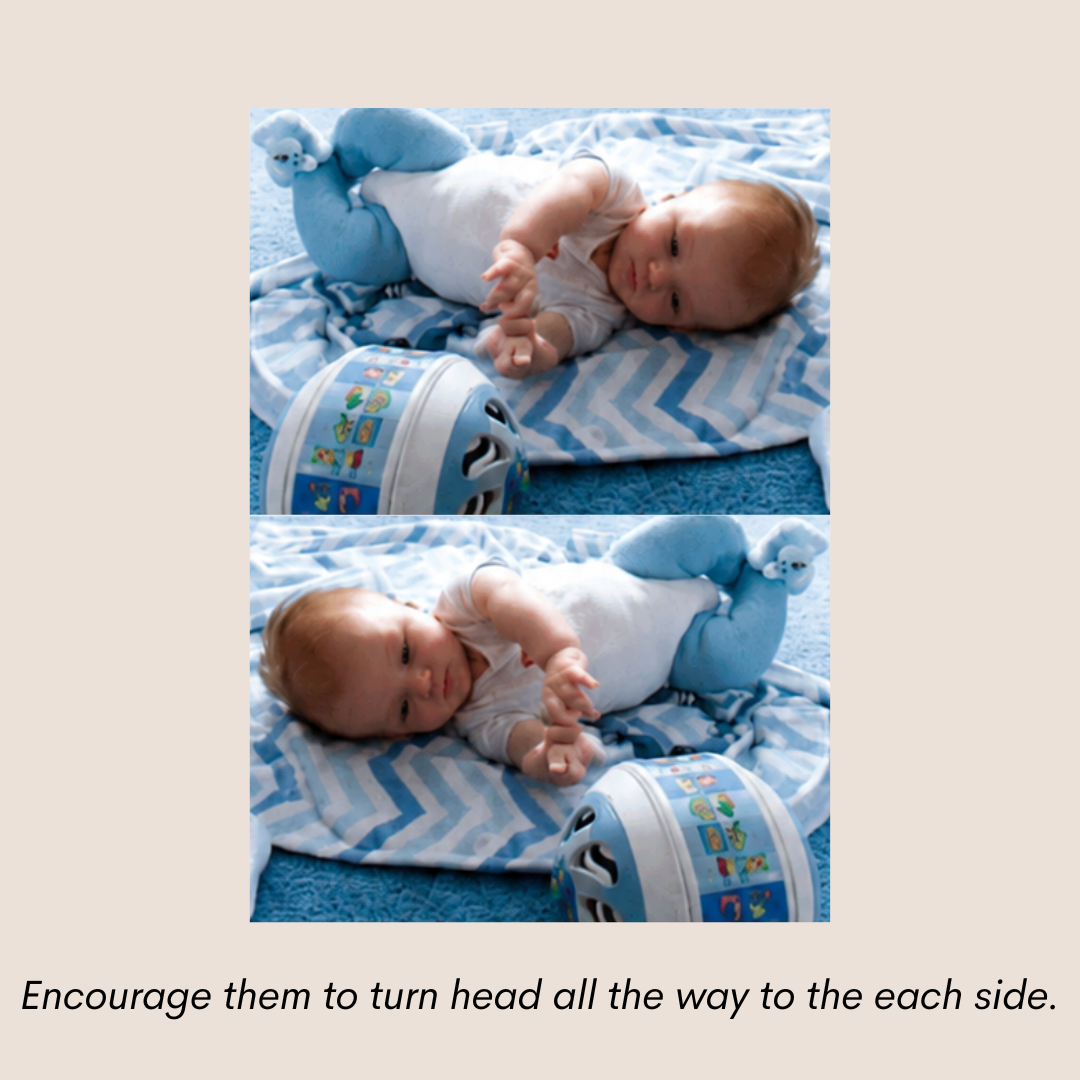
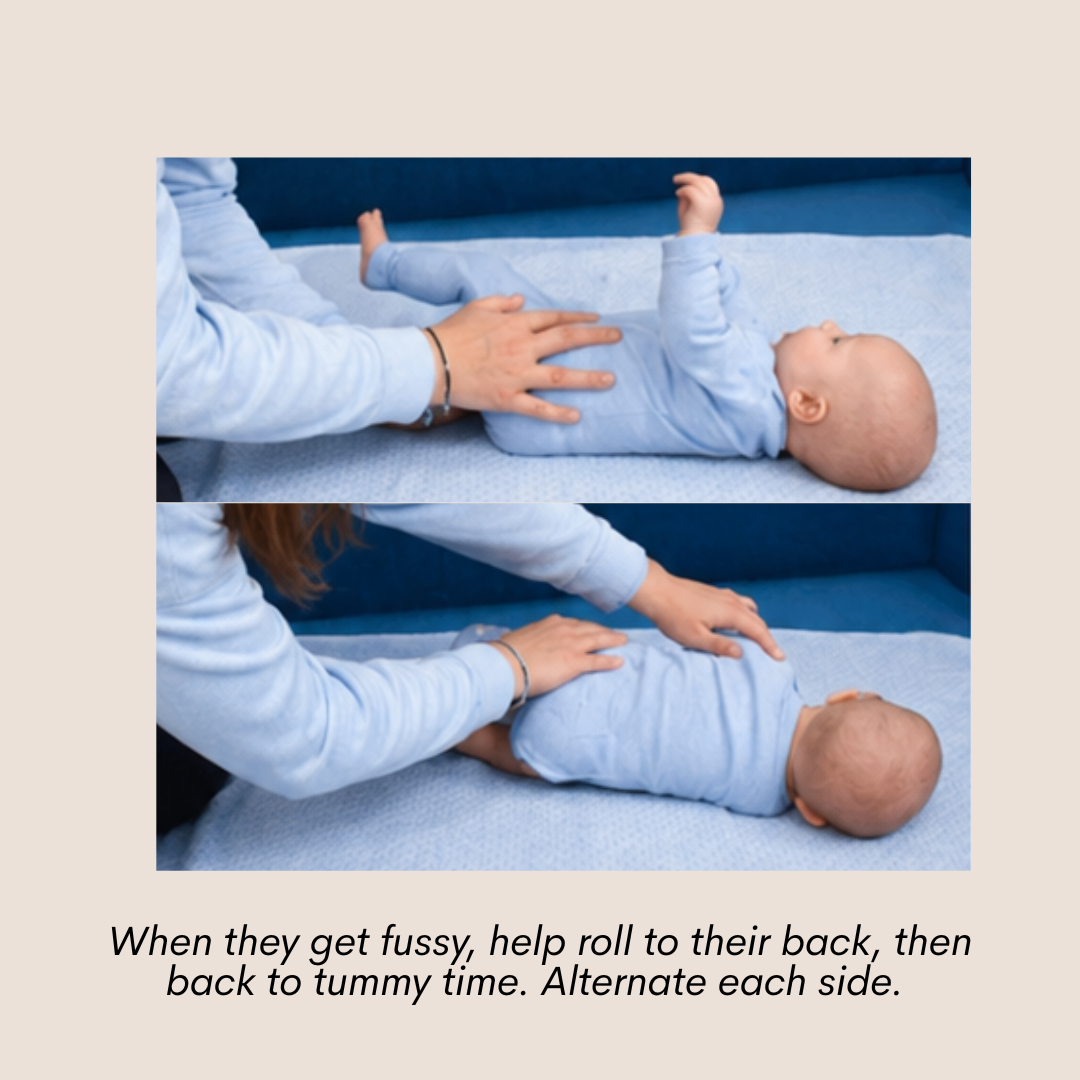
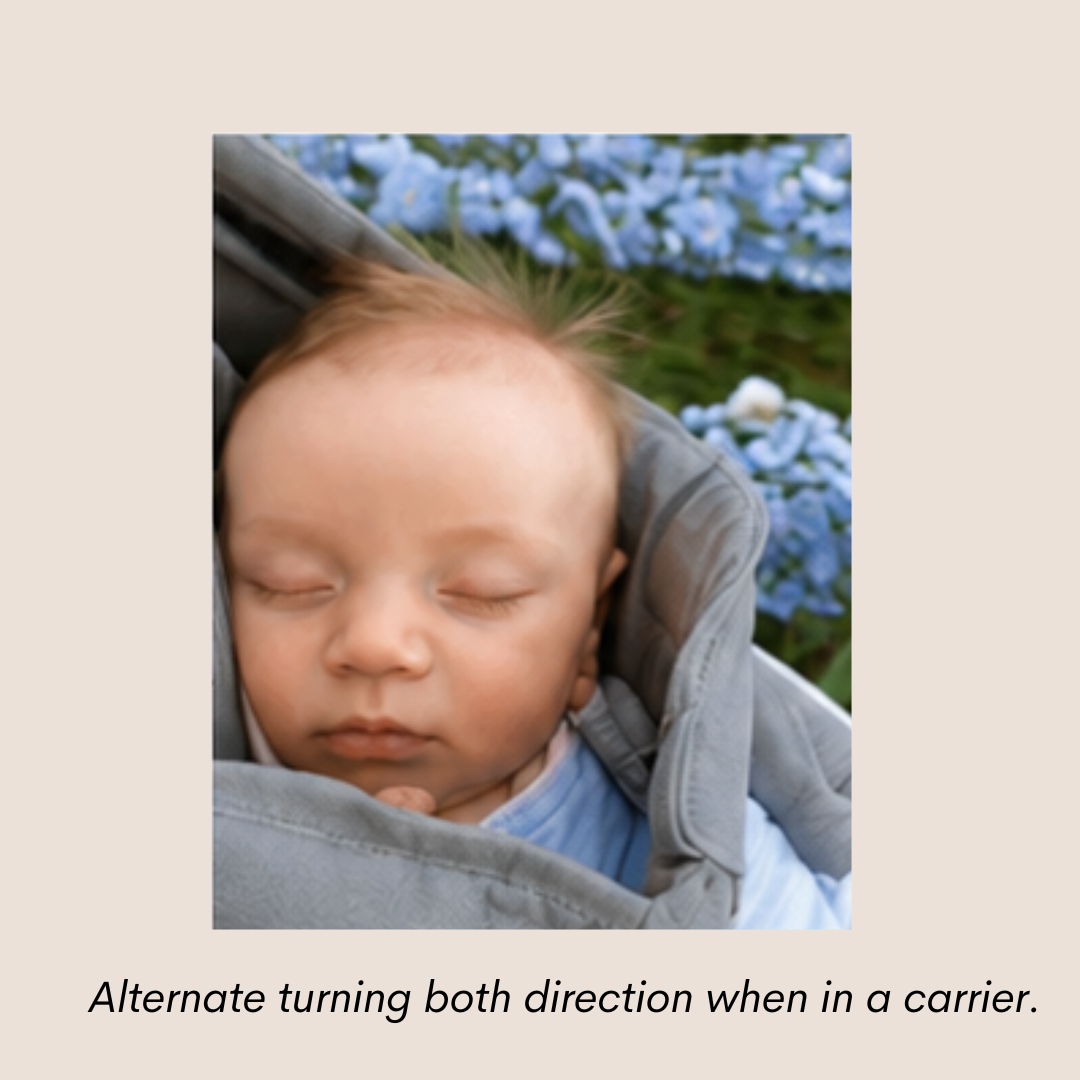
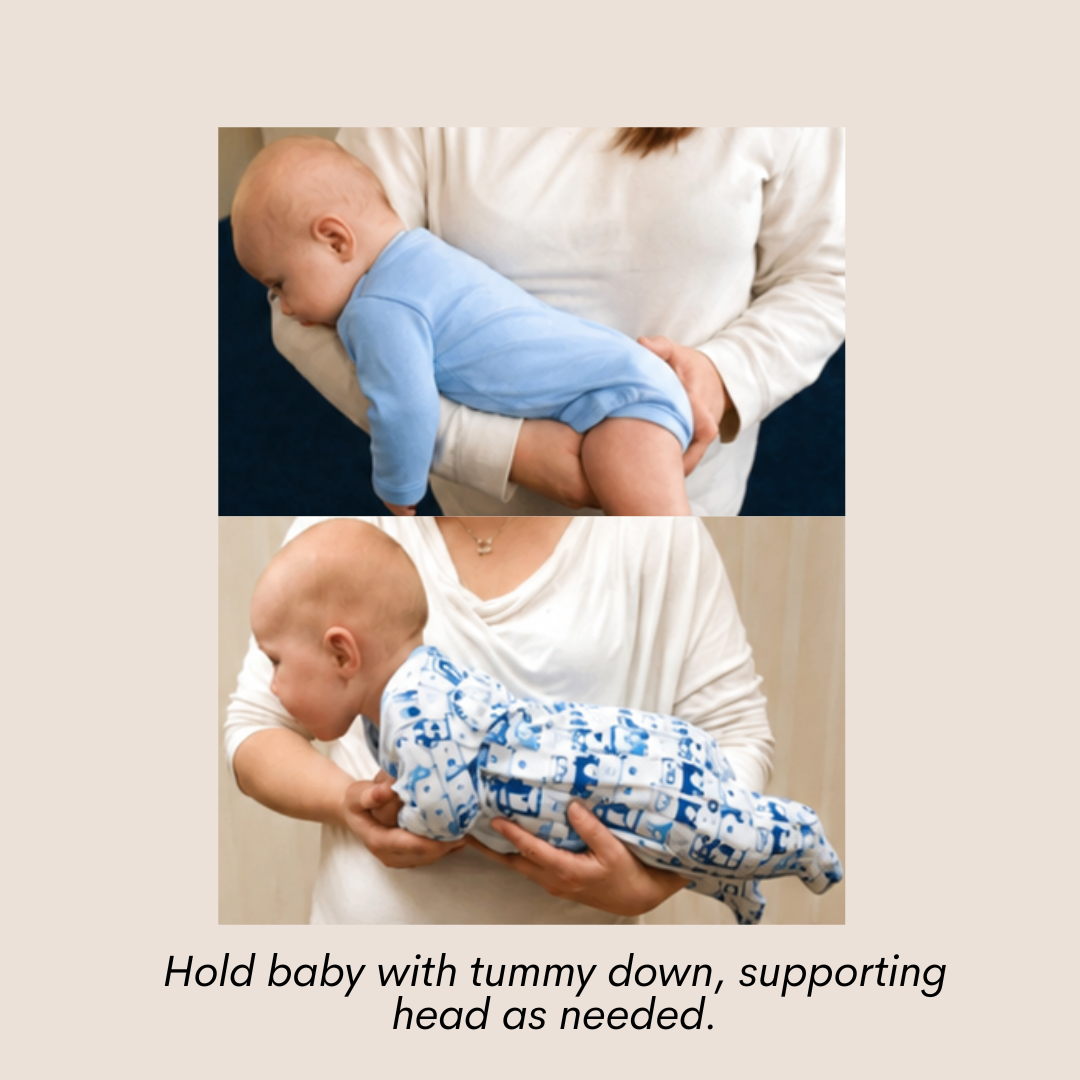
1.Holding Alternate each side to encourage head turning in both directions.
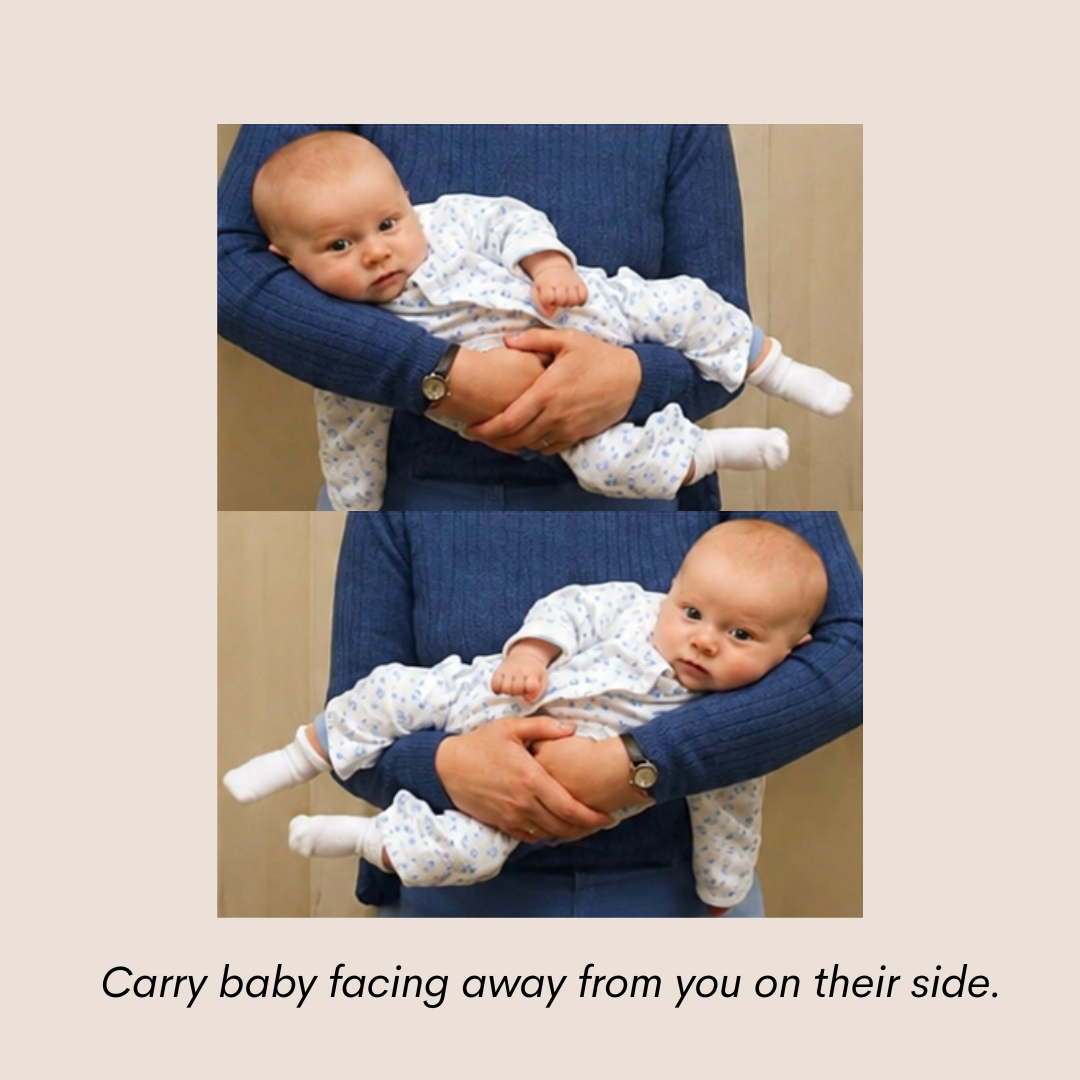
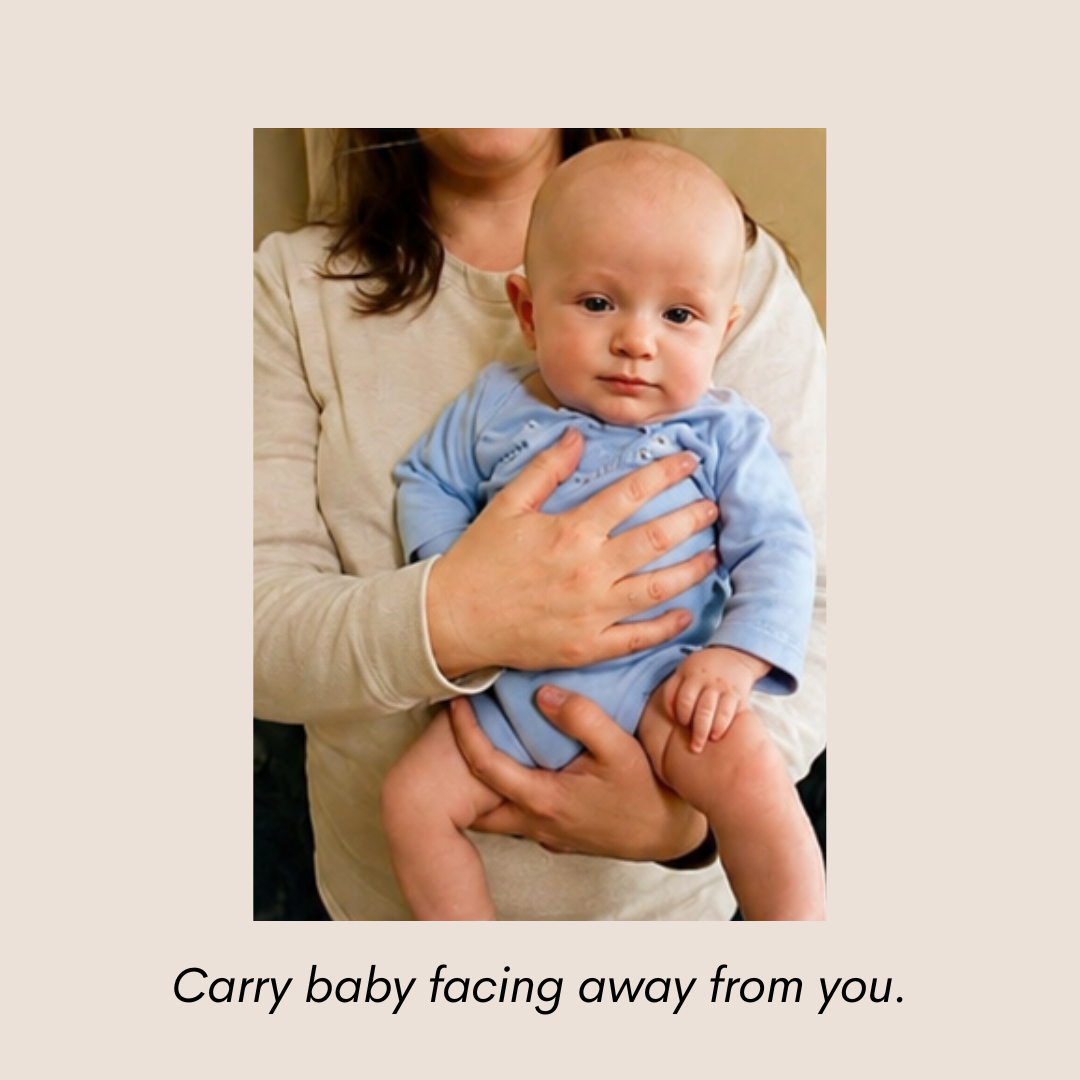
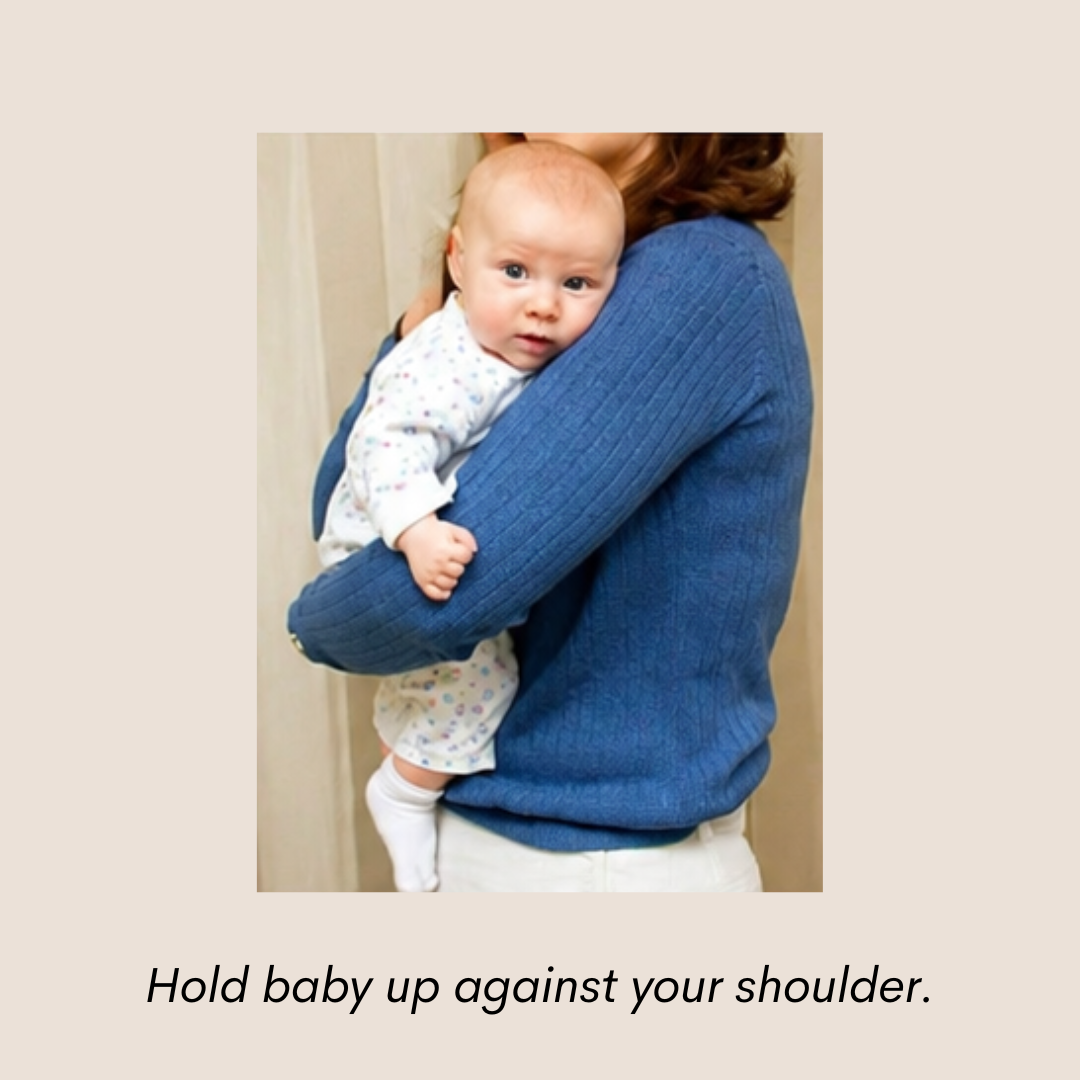
2.Dressing
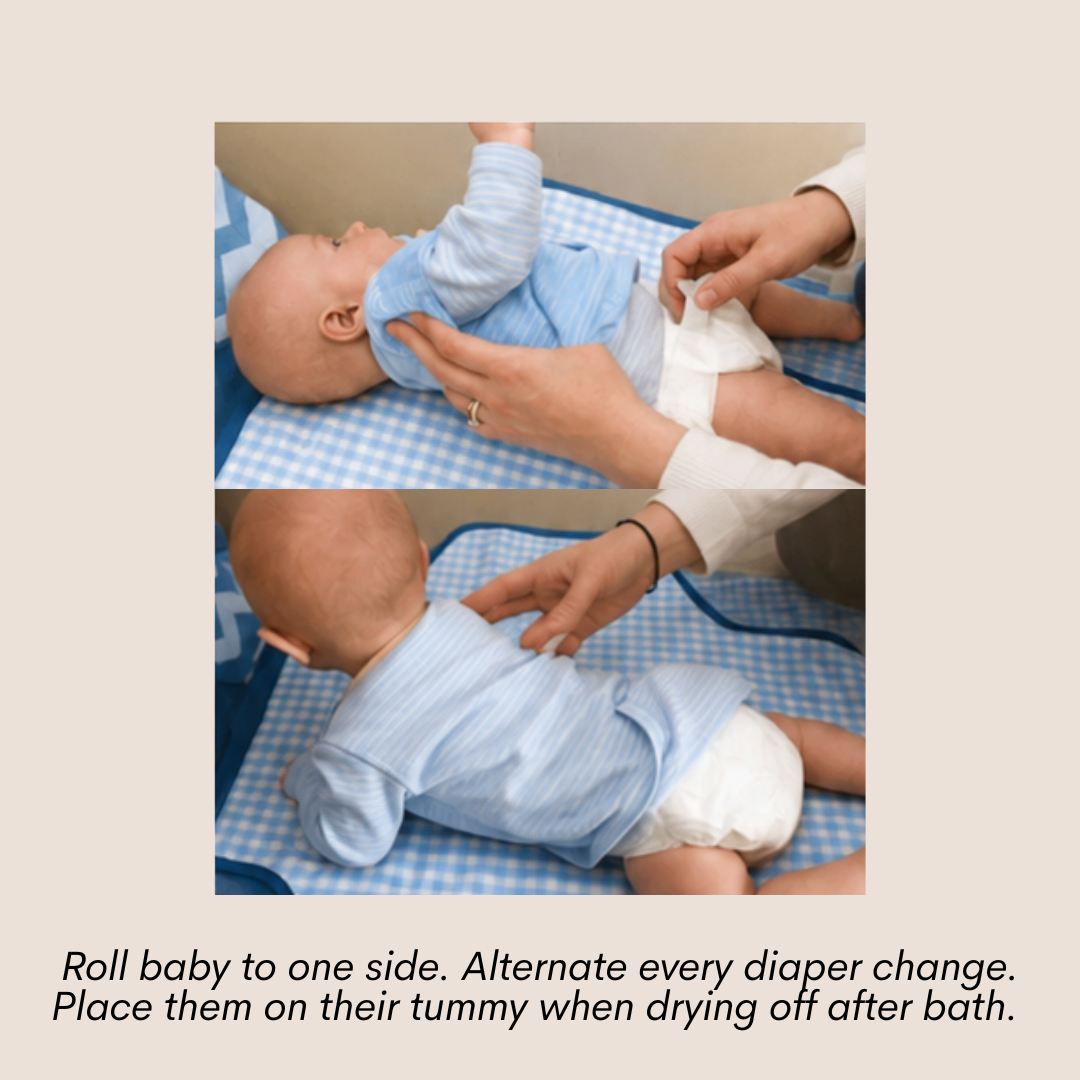
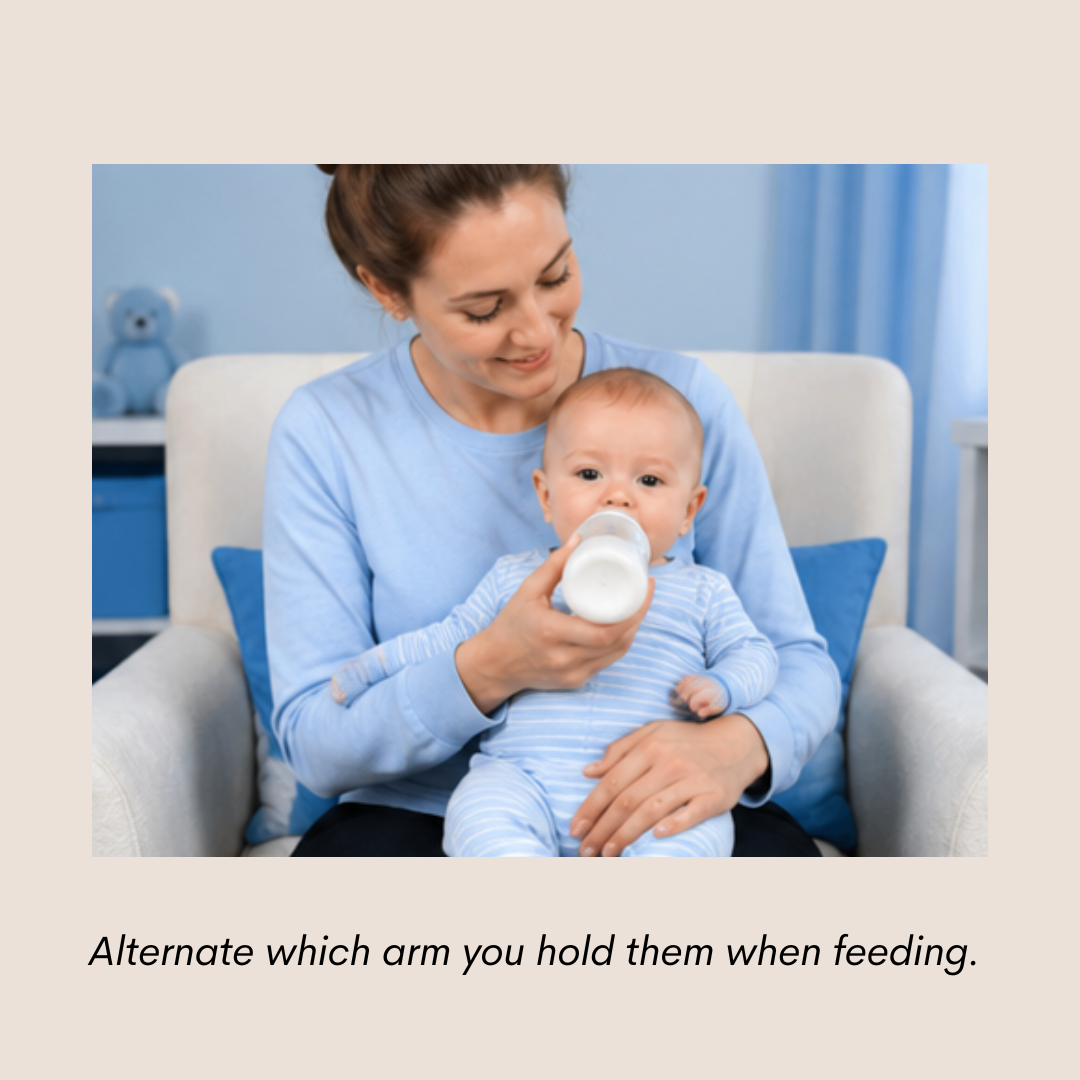
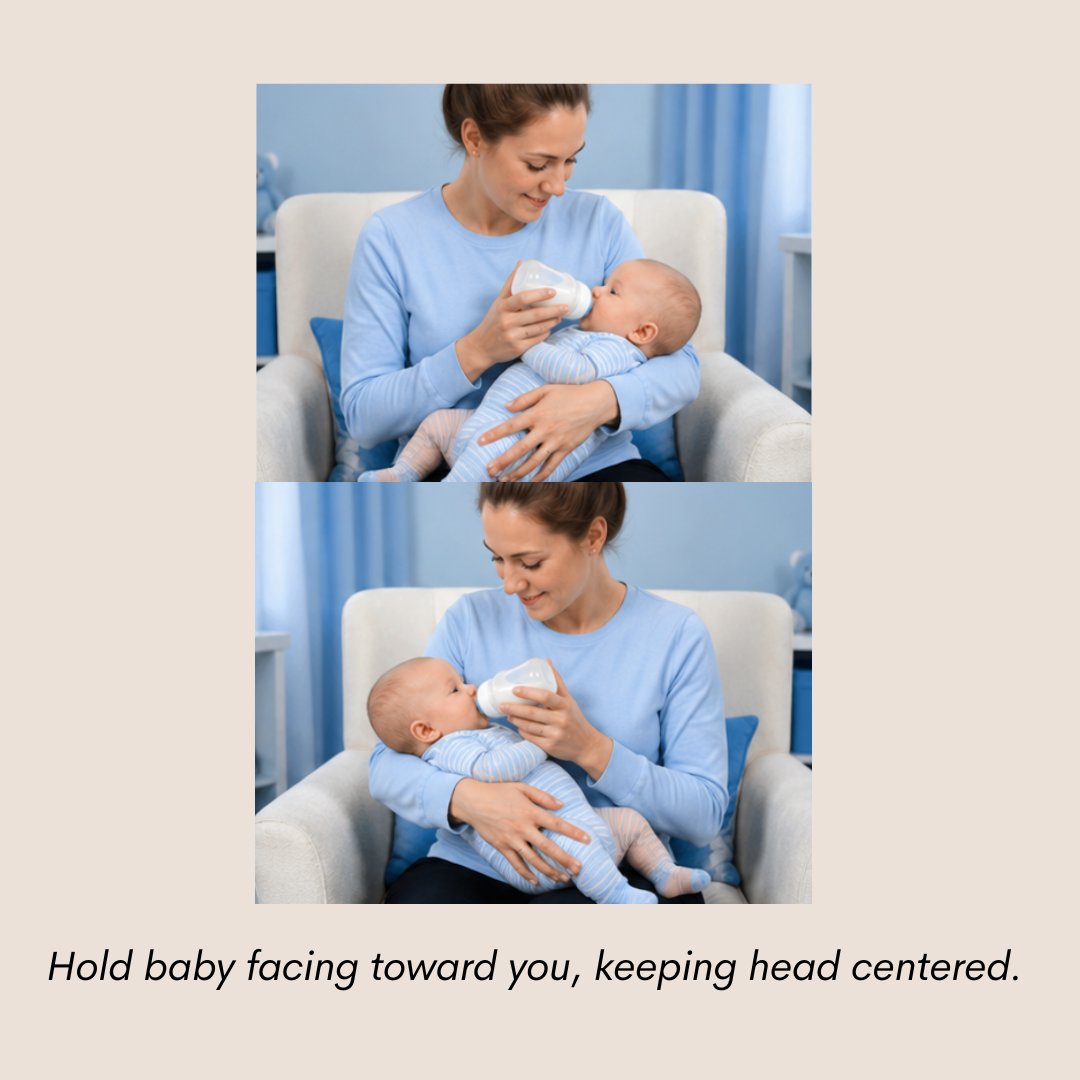
3.Feeding
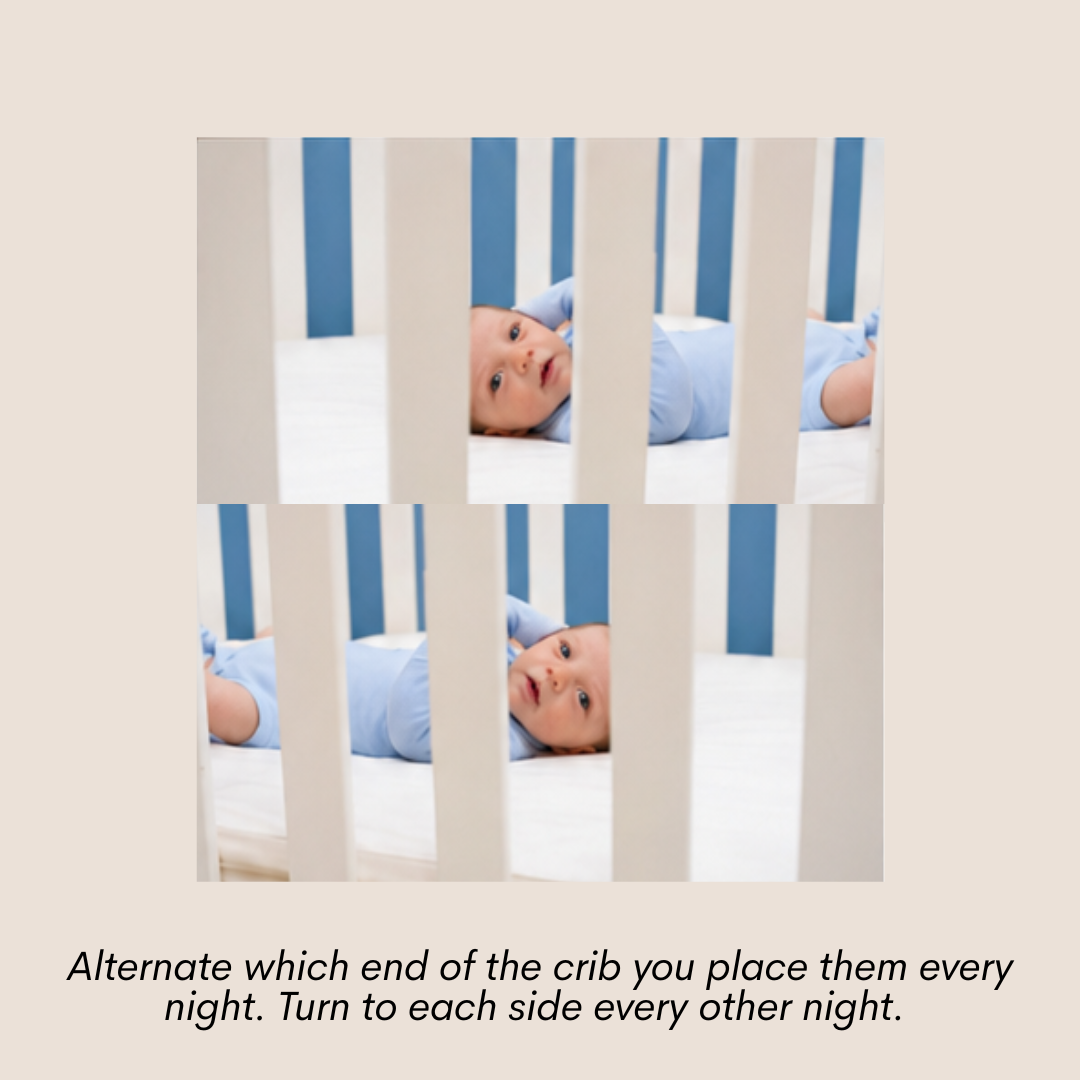
4.Sleeping
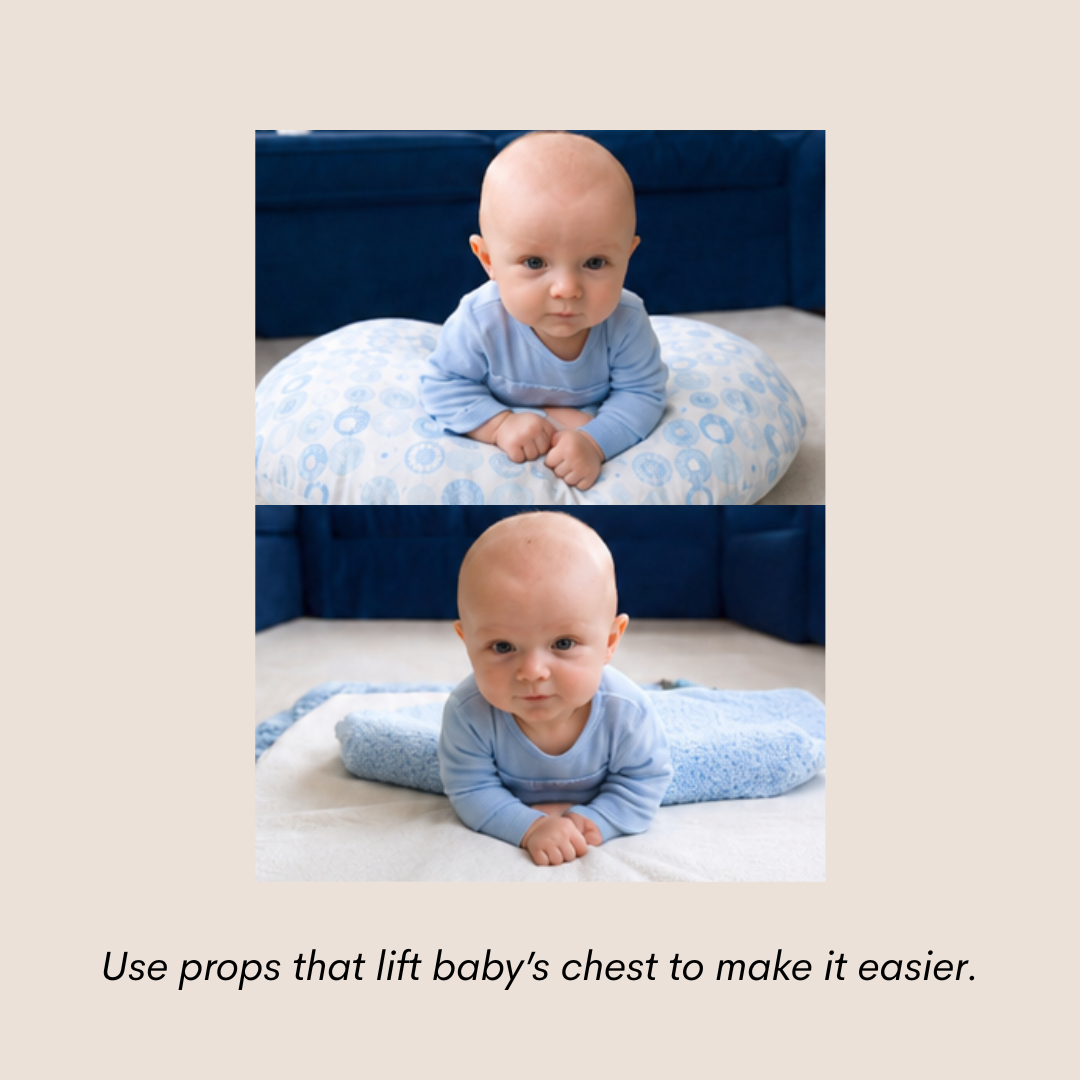
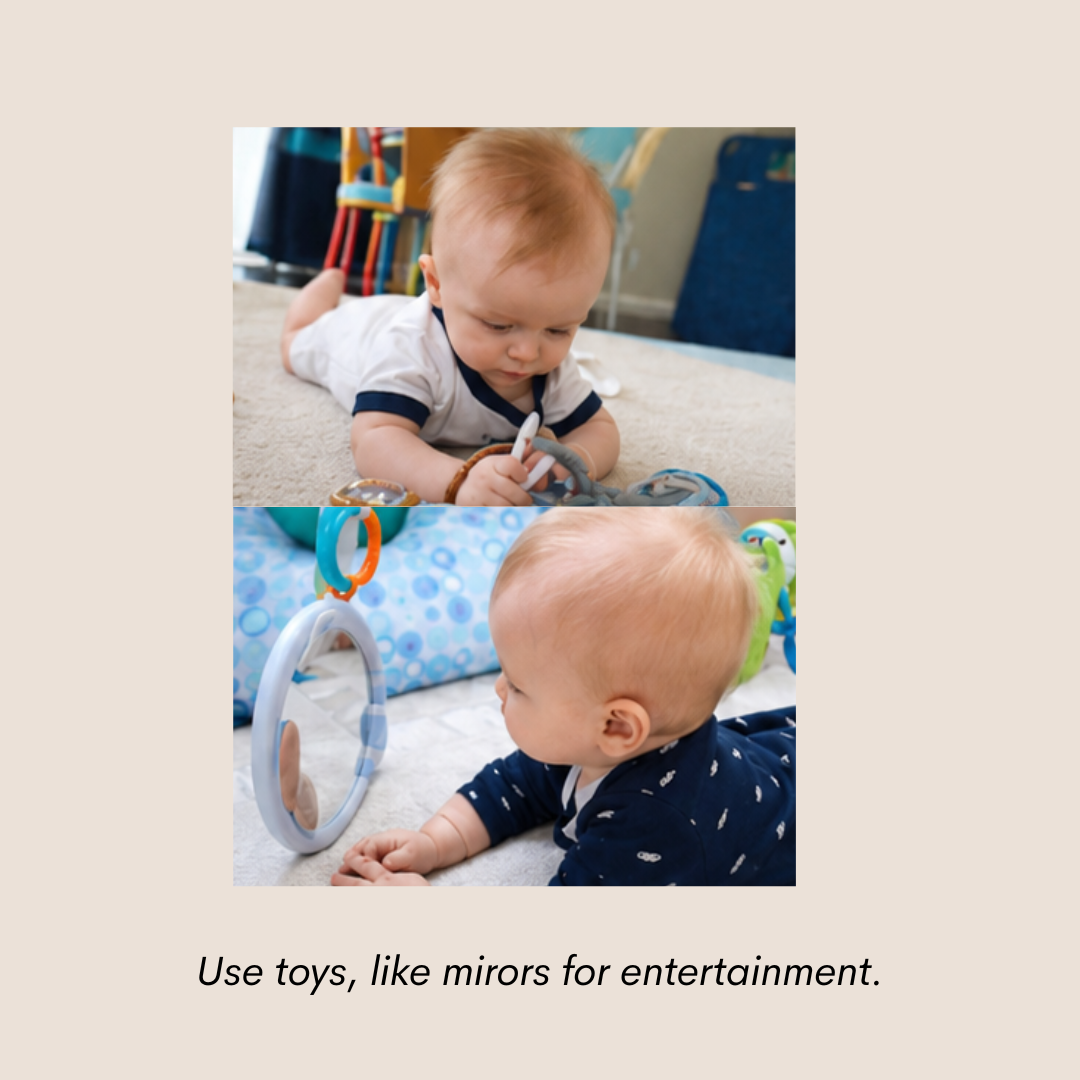
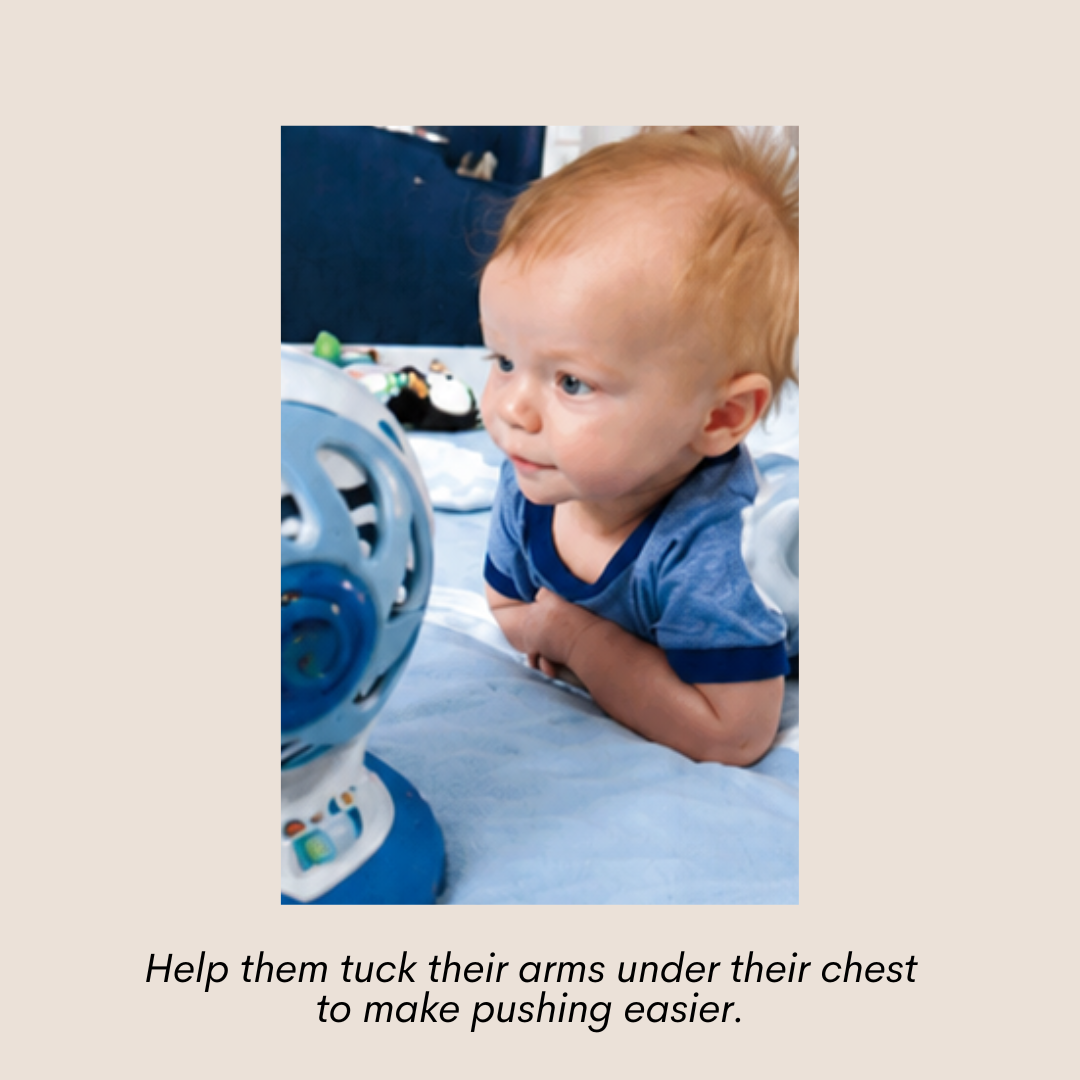
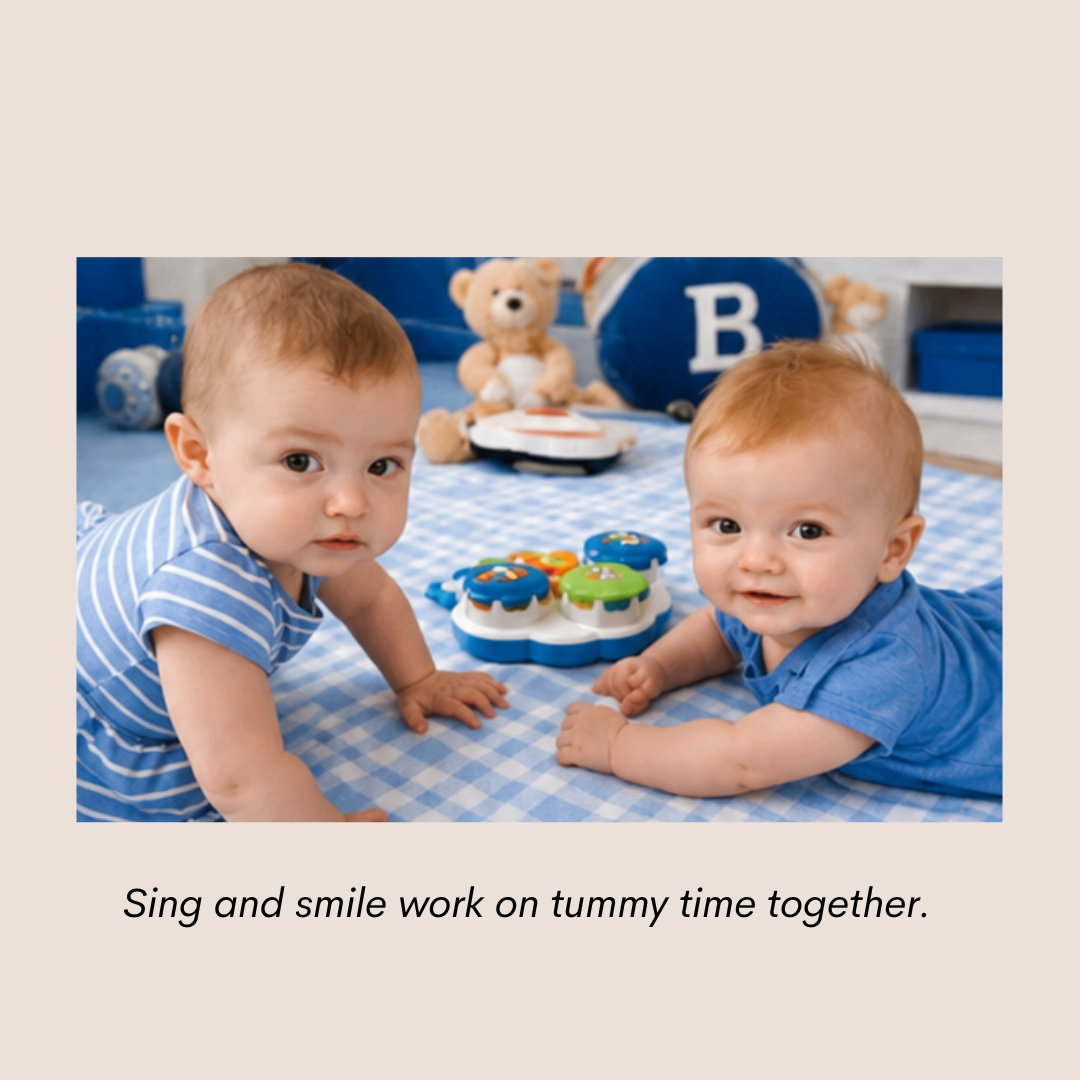
Making Tummy Time more enjoyable